








Book Summary
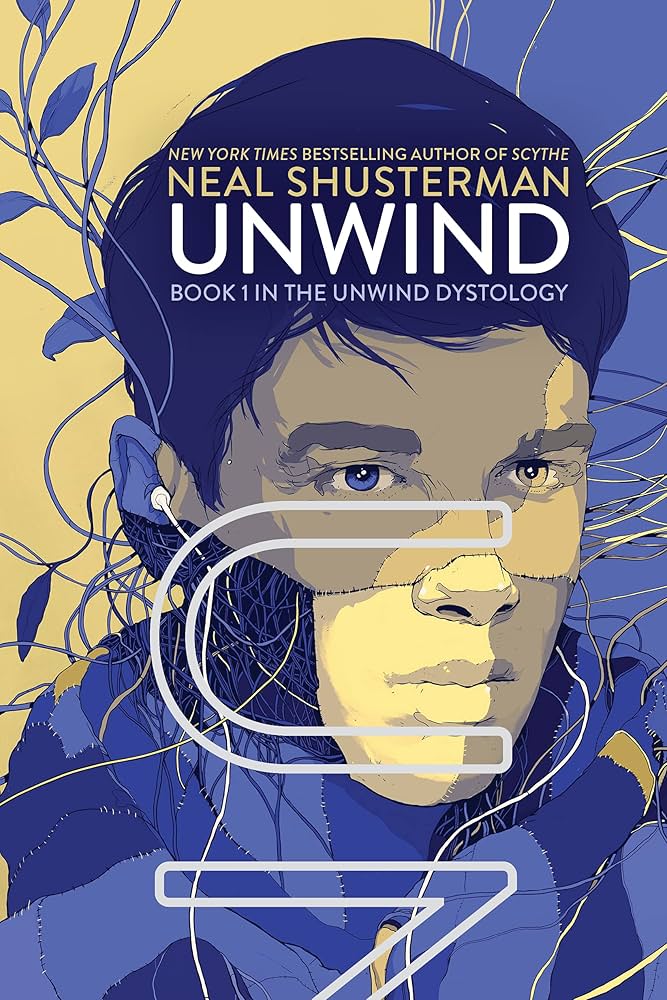
Imagine living in a world where it is legalized for your parents to get rid of you if they don’t like your behavior. Or imagine you’re a ward of the state that the government wants to get rid of because of budget cuts. Maybe imagine that you were even raised just to be donated; taught that this new legalized method is your purpose from God; a tithing. The term ‘get rid of’ doesn’t mean giving you away or putting you out. It means donating every part of you to be disassembled and harvested in order to be given to others; this process is called unwinding.
Released in 2007, the novel series UnWind by Neal Shusterman forces its readers to grapple with these thoughts through the stories of Connor: the rebellious teen, Risa: The resilient genius and ward of the state, and Lev: the purpose-driven tithe. Through multiple points of views Shusterman connects characters of different backgrounds with one goal: staying whole.
Book Analysis
Story continues below advertisementThe best way to understand these books is to explore how its themes interact with each character; not just the main characters, but even other unwinds (what society calls the unwanted teens). Shusterman uses the society in this book to explore themes like compromise and its consequences, dehumanization, and the values of life.
Many years before the series takes place there is a heartland war; this is the war between the pro-life and pro-choice factions. At first the war was just a disagreement, but it got so violent that both factions had to come to a compromise. This compromise being the Bill of Life, which legalized unwinding. The novel illustrates the idea that there are dangers that come with sacrificing one’s fundamental principles for a fleeting sense of peace because they often lead to new injustices.
As teens are stripped of their personhood to be reduced to a collection of valuable parts; the term unwind is a linguistic trick meant to make this gruesome process more passive in its world. That is what makes this novel so chilling because it explores what happens when society is in charge of deciding the value of someone’s life.
With that being said, Shusterman forces both the characters and the readers alike to face the novel’s fundamental question; when does a life have value and who determines when it ends? This question paired with the idea that teens may “live on” after their unwinding since every part of them is used, pushes the philosophical debate of humans’ soul and morale. By tying in real world questions, beliefs, and problems to characters’ personalities as well as societal flaws, Shusterman creates an environment where readers do not only wonder what it takes to make the people of Unwind so impartial to the horrors enforced, but also what makes the people in today’s society impartial to the horrors of right now.
About Neal Shusterman
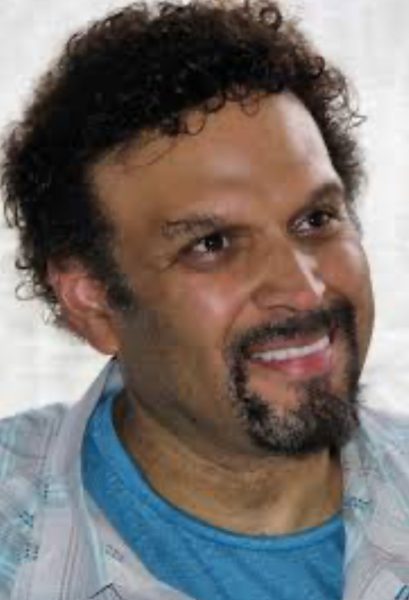
Neal Shusterman is an American writer residing in New York City. He is a young adult fiction, dystopian fiction, and science fiction author. His knack for writing began after a high school teacher challenged him to write a story a month forcing him to take writing seriously. After high school he wrote for his college’s humor column to grow his confidence as a writer; by 1988 his first book, The Shadow Club was published. From then on he has written many novels, the most popular being the Scythe trilogy.
Now, the question is, “Why did Neal Shusterman write Unwind?” The answer: he wanted to explore the consequences of a society that tries to compromise on the issue of abortion in an extreme manner. The novel is neither pro- life or pro-choice but is able to cater to the reader’s belief as well as their interpretation. Shusterman himself states his entire point of the Unwind series is to encourage readers of both standpoints to interpret the novel how they want, which is why the series takes no clear stance on the issue.
Reader’s Opinion
Mrs. Stanton is a teacher at Wayzata High School who has taught Adventure Literature for 10 years. Every single year she keeps Unwind (the first book of the series) in the curriculum; this is because she enjoys how Shusterman writes each chapter from the perspective of a specific character, allowing for less laborious character analysis since the novel is the inner monologue of multiple characters is a prominent part of Shusterman’s writing. This creates an environment where students can see pieces of themselves in each character.
Mrs. Stanton emphasises the importance of teaching a book students enjoy so much; explaining that, “When you read a book that’s so engaging, doing the literary work around that book can even feel fun.”
Despite Unwind being a class favorite Mrs. Stanton has her own reasons for enjoying the book. The first is being, the ability to see how much the character of Lev changes throughout the novel as he is forced into change he never asked for.
The second is the character of Roland as she states, “… I like this scene not because it’s disturbing. But also because I have never read a scene like that in any other book I’ve read in my life, and the uniqueness has always made it stand out to me.”
Now, as a former student of Mrs. Stanton, I can vouch that the character of Roland is something I’ve never experienced before (If you know, you know). I can also agree that the assignments for this book were fun to do since I enjoyed reading the book very much; so much so that I have read the entire series and plan to read it again which I don’t do unless I thoroughly enjoy a book.
With that being said, I absolutely love this series, not because it is by any means an easy read, but because Shusterman captures both the good and bad of how human nature is so perfectly. For example, in today’s society when something that is terrible is happening in the world pops up on our social media or on the news, we will talk about it and feel sad for a while. However, eventually we will go back to our everyday lives due to the simple fact that the terrible thing that happened didn’t happen to us, and this is a continuing cycle that is talked about but it never changes. Shusterman points out that as humans, we have the ability to create change before the next terrible thing happens, but we often don’t until all these terrible things are staring us in the face and we must say to ourselves, “My God…What have we done?” (Shusterman 322).
It is the illustrations of society setting aside its morals and humanity that makes this book so chilling and timeless. In saying this, these are concepts that Shusterman hides so well in his novel because I didn’t have these thoughts as I was reading these books, but when I finished them and thought back on what these characters went through due to their circumstances.
Conclusion
If you enjoy books that keep you entertained from start to finish and challenges your thinking I would recommend that you read this series. It can be found at your public library, online, Barnes and Noble, and the WHS media Center.
Categories:
“What Have We Done?”: The Chilling Story of Unwind
December 2, 2025
Donate to Trojan Tribune
$185
$1000
Contributed
Our Goal
Your donation will support the student journalists of Wayzata High School.
More to Discover