
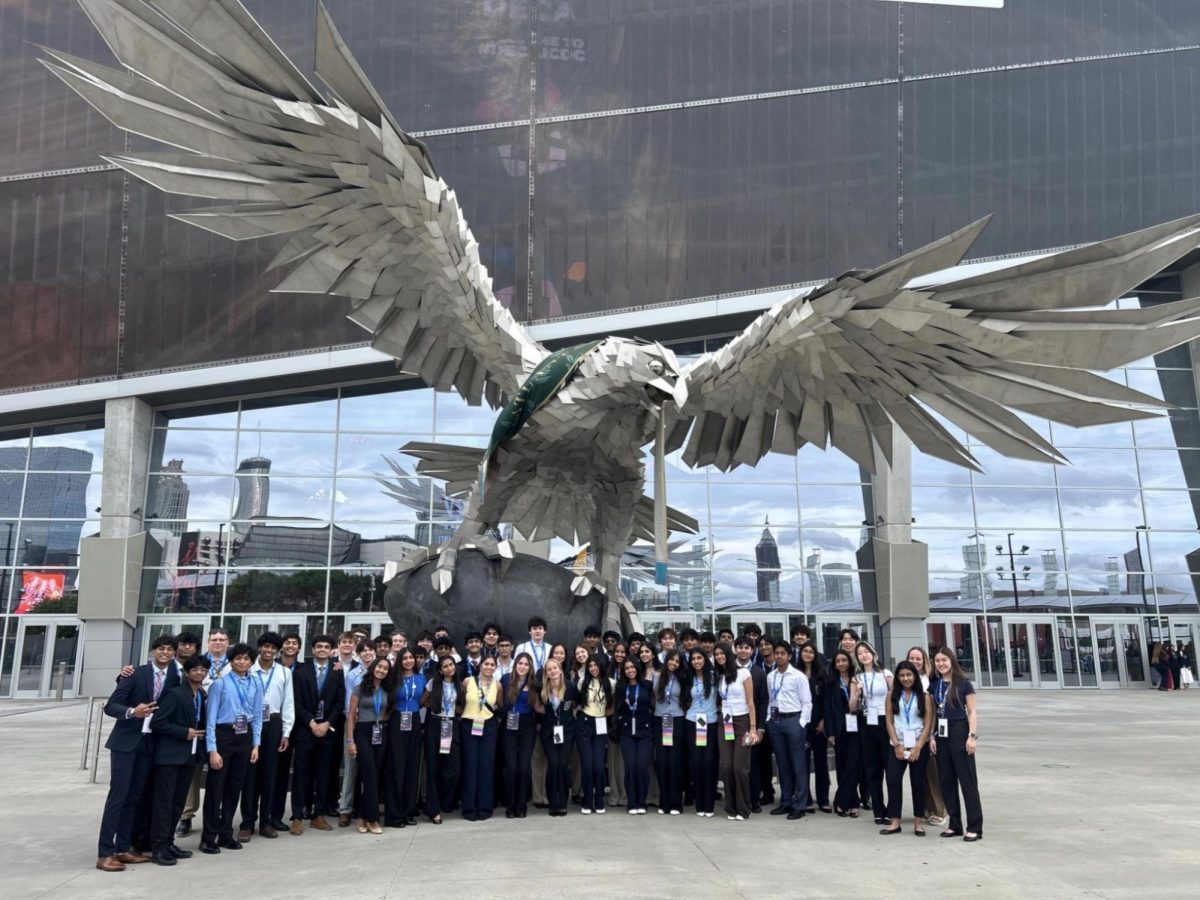




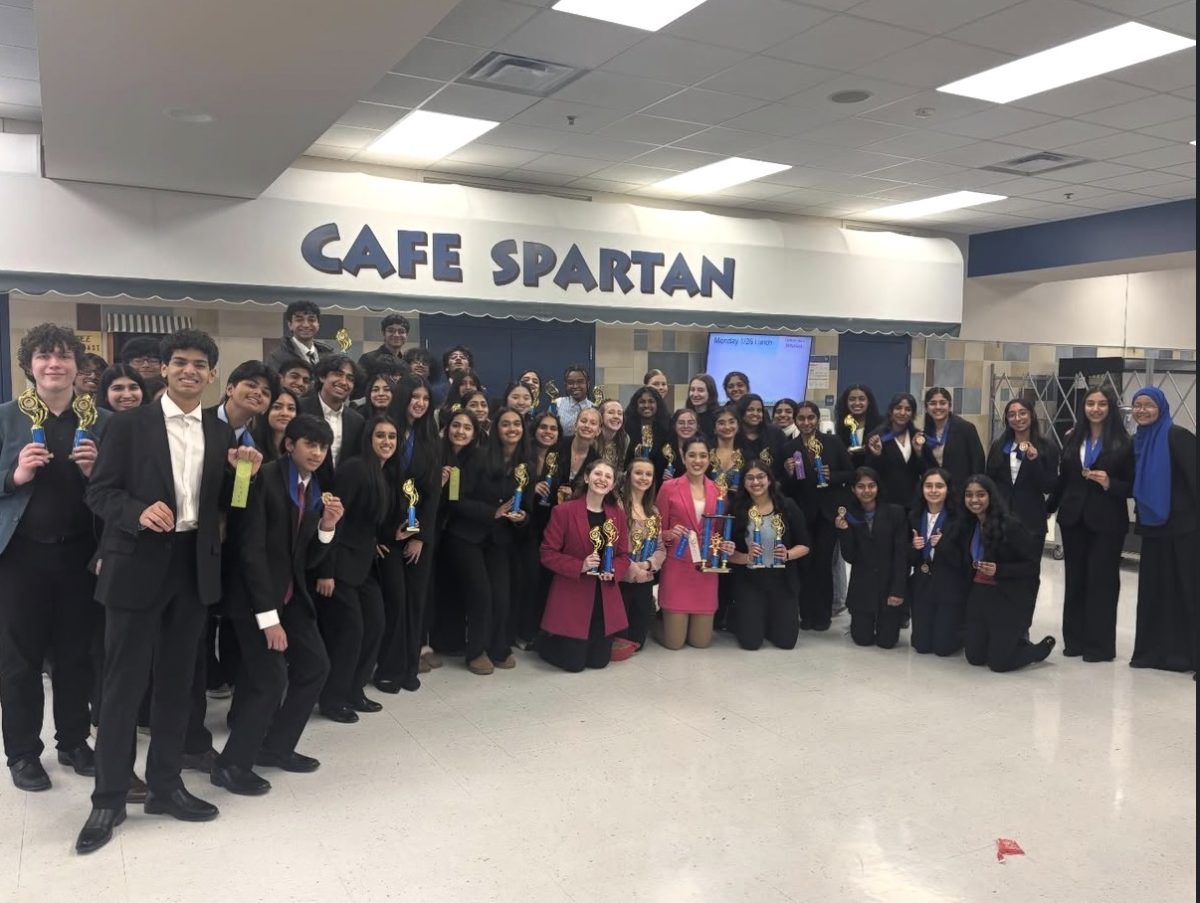






When you hear the words “Wayzata Speech,” what’s the first thing that comes to your mind? Maybe it’s all the tournaments that Wayzata has won, the audition process required to join the team, or (most likely) the fact that people in speech talk to walls more than actual people.
Now, while all these are very true, you have just hit the surface level on what speech truly is for Wayzata, and all it has accomplished.
Speech is part of the National Speech & Debate Association. With fifteen categories, Speech lets students create and articulate themselves in whatever manner they want. Speech is split into two main categories: Interpretation and Public Address, each with its own nuances which make it different from the rest.
But, while a general view is nice, it’s really hard to understand what truly goes on in speech without a deep dive into different genres regarding it. So without further ado, here are the different genres of speech, including a description, testimonials and fun facts about them!
Event Category: Interpretation
Creative Expression:
Creative Expression is a category meant for you to showcase your creativity and expression in. In this category, you write a ten minute short monologue featuring multiple characters and a short story line, like a bit, that you perform in front of the judges. But, these fun children -esque stories always have some sort of lesson or hidden meaning in them, just like bedtime stories!
Creative Expression (also known as CrX), is a great category for those who love to express themselves. Genevieve, a varsity Creative Expressionist, stated that you can make Creative Expression “about anything, and have it be something that you’re really passionate about, while making it dramatic and expressing yourself.”
Overall, CrX is a fun category for those creatively and verbally inclined, created to show off your drama and your writing skills with flair.
Humorous Interpretation:
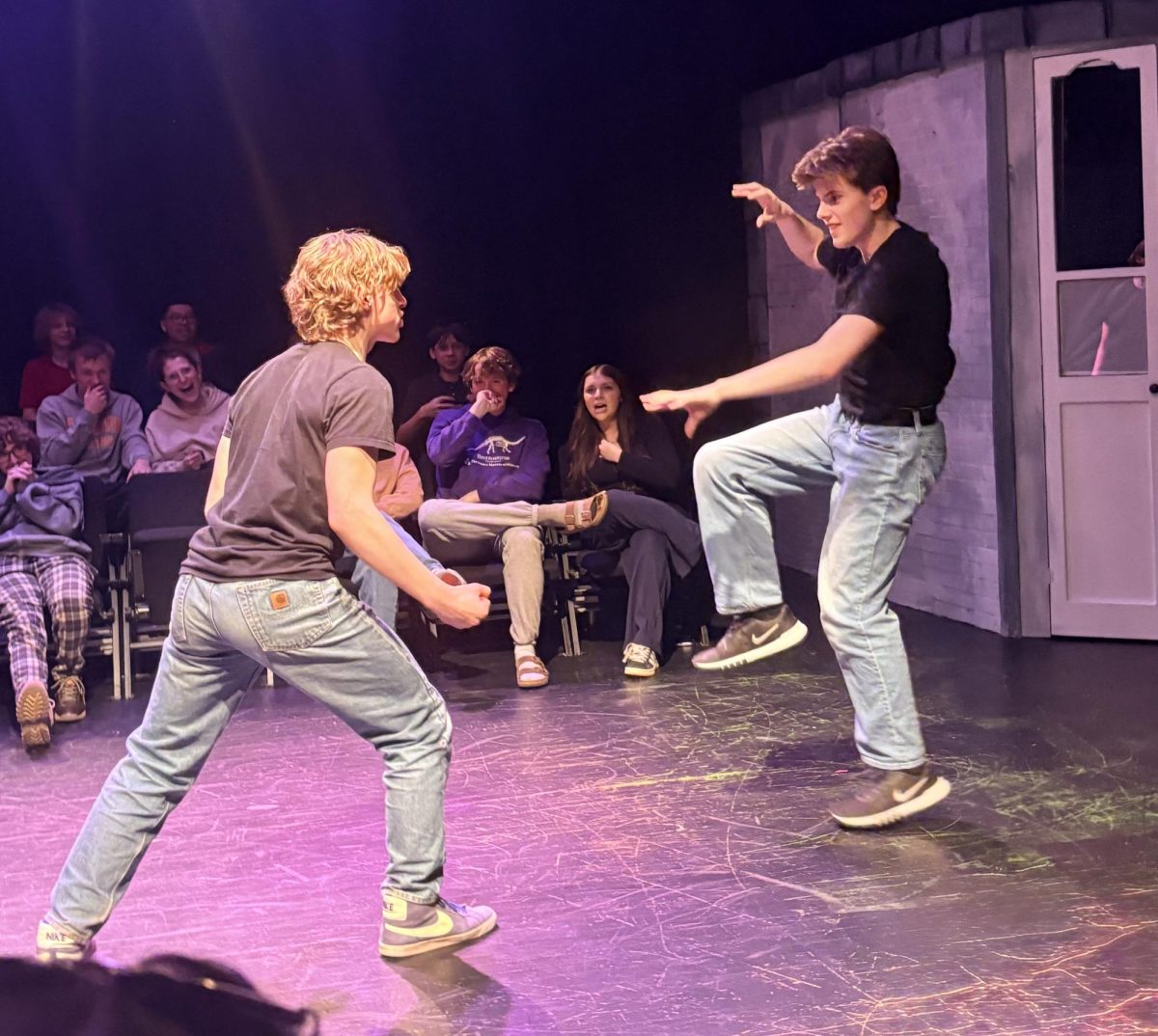
Humorous interpretation is a category meant for you to express a creative interpretation of a published script. This category features high action and energy sequences filled with multiple, unique personalities designed to take up space in the published work.
With only ten minutes, people participating in this category have to focus on creating a dynamic, engaging and hilarious retelling of a story designed to not only engage the audience, but to serve an impactful message to not only the audience, but the judges as well.
Overall, Humorous interpretation is a fantastic category for those interested in creating a funny, yet impactful retelling of a published script to draw attention, insight, and humor from the audience and judges surrounding you.
Poetry:
Poetry is a category similar to Humorous Interpretation, where you perform a script from any published poem. Unlike Humorous however, this category is much more serious.
Your script in this category is quite unique too, as it contains multiple excerpts of/entire poems which all carry the same themes or ideals. This category is meant to express a statement through written works regarding that theme.
The idea for this category is to elevate poetry as a medium, to help showcase the multiple themes surrounding poetry and how it’s expressed through not only the verbal language used in the writing, but the tonality you use in the speaking.
Overall, Serious Poetry is one of the more nuanced and serious categories of the Interpretation field, a category made for those who want to express a point through spoken poetry.
Dramatic Interpretation:
Drama is a category where you perform your interpretation of any published play to an audience. Hence the name, Serious Drama focusing on the more serious aspects of dramatic interpretation.
People in this category only have ten minutes to perform, in which during this time they need to focus on delivering a dramatic yet impactful performance on a topic of note. Whether political or satirical, Serious Drama expresses the ability to tell a dramatized retelling of a story to keep it engaging, while still preserving the intended meaning of the play.
Overall, Serious Drama is a category designed for those who not only love to tell dramatic interpretations of events, but those who also love to express important beliefs and ideas through dramatic retellings through dramas and intrigue.
Prose:
Serious Prose is a category where you present and perform a script found from any short story or book. This category, like many others, is a more serious category while still containing some humorous aspects.
This category, like many others, has a 10 minute time limit, the participants need to display and convey the depth and meaning of the story while simultaneously portraying the characters and engaging the audience. These participants in this category only have one short story/book excerpt when competing to single out the themes of one specific literary piece.
Overall, this category is great for those who love to express themselves through prose, as well as those who want to display the themes of a book in a serious yet evocative manner.
Extemporaneous Reading:
Extemporaneous Reading is a category in which a participant is given a script in the form of a book and chooses their selection. They receive 30 minutes to prepare an introduction before reading from the book. They use engaging storytelling techniques to portray character emotions and plot structure, conveying book elements in a personalized way.
Unlike most other categories, Extemporaneous Reading receives a time limit of seven minutes.
Duo:
Duo is a category where you and a partner perform a piece from any published material often from movies or plays. This piece can either be serious or humorous. With a time limit of ten minutes to perform.
This category is not as it seems though. When you hear the word ‘Duo,’ you may assume that you’re doing it with a partner (which is true) and that you will be communicating and working through it together on stage. But something interesting about Duo is that you cannot look nor touch each other for the entirety of the speech. This makes for some very interesting pieces, of two people working together and sharing lines while simultaneously not communicating verbally nor with physical touch, this mechanic making the category only for those not in their first year of speech.
Overall, this category is amazing for those who want to work with a partner on a fun humorous (or serious) creative piece.
Storytelling:
Storytelling is labelled as a ‘draw category’ (among many others), which means that you are given a selection of different scripts for which you must memorize, and then select one on the spot to perform.
With a seven minute speech limit, in Storytelling you draw from fifteen stories and choose one to prepare and preform. You then have thirty minutes to both analyze and understand the story, but also add your own twist to it, and tell the story in your own way (not verbatim). When you perform the story, you must have high energy, and clearly express and showcase the multiple characters that the story has.
Overall, this category is fantastic for those who love to read and analyze fun and interesting short stories, while also love to express themselves on stage through high energy and impact storytelling!
Program Oral Interpretation:
Also known as POI – Program Oral Interpretation – is a category combining prose and poetry to create an engaging ten minute performance.
In this category, you create a performance around a central theme, splicing together multiple types of literature into a single performance. Your speech should have the basic plot structure as that of a story, while also containing references and segments of many types of media to exaggerate and emphasize your main theme throughout the speech.
Overall, POI is also a test to see your skill in both writing and speaking mastery. This category is perfect for those who want to express impact in an engaging, creative and informative way.
Event Category: Public Address
Great Speeches:
We call this category Great Speeches, but it’s not always about sophisticated vocabulary and refined gestures. Sometimes, a great speech is a call to action to make a change, or even a few memorable sentences that make a drastic difference in our perspectives.
This category utilizes an opinionated or informational piece about a speech in history, then uses analysis to prove why the speech is essentially great. Why do our words still carry so much weight after many years, or even centuries, later? Pooja Karthikeyin, a member of great speeches, shares her perspective on this fascinating category. “I had the chance to analyze famous speeches, and how they utilize different techniques in order to persuade their intended audience and make an impact.” She, like many others in this category, truly understood the impact of these essential speeches.
Pooja concluded by encompassing Great Speeches as a whole. “This category allows me to share my analysis and share to others why it is truly a GREAT speech!”
Informative:
Informative is a category where you perform an informative piece on a topic of your choice incorporating visual aids, usually in the form of a slideshow. This topic essentially captures the audience because it should matter to the audience and the world, playing an important role in society’s current state or a community’s perspective.
Individuals in this category both create engaging visuals to support their speech and portray current topics in an informative and appealing manner, Informative has a 10 minute time limit like most other categories.
Original Oratory;
Original Oratory utilizes a very ideological perspective to create a speech on a topic of their choice. This topic is most commonly abstract and personalized, not usually policy oriented. Speakers in this category use their own opinions, perspectives, or experiences to create a speech that corresponds with their values and addresses an issue and solution for a topic.
Oratory is split into specific sections to create an engaging roadmap for a listener: Problem, Causes/Evidence, and Solution. They receive a time limit of 10 minutes.
Discussion:
Discussion, unlike many other categories, does not follow a usual speech format. In this category, speakers work with 5-6 other speakers on a given problem, often based on politics and world-issues. This category serves as a forum for teamwork— meaning that members must lead while also working together.
Speakers in Discussion receive a time limit of sixty minutes.
Extemporaneous Speaking:
Extemporaneous Speaking utilizes impromptu speaking techniques while demonstrating knowledge of certain topics. Speakers in this category draw a current events question and receive 30 minutes to prepare, formatting their speech based on a definite answer to the question and 2-3 reasons with evidence to support their claims.
Speakers in Extemporaneous Speaking receive a time limit of 7 minutes to deliver their speech with additional time to prepare beforehand.
Impromptu:
Impromptu is a very interesting category, as it’s a category that isn’t offered for most competitions, and is a category where you can barely prepare for!
In Impromptu, you have to draw a quote from a selection. You then, on the spot, have seven minutes to both prepare and present a speech about your chosen quote. It can be anything, but it has to be on the spot, testing your ability to think creatively and critically under duress. As this is a unique category, it is one of the few categories that only categorical varsity level speech competitors (second year and beyond) can participate in.
Overall, this unique category is great for those able to think on the spot and engage an audience. This is definitely a nuanced category, but a great one nonetheless.
In all, the world of speech is a very fun, insightful yet competitive endeavor. Even if you don’t want to participate, now you know a little bit more about one of many extracurriculars this school offers. The speech season just started about two months ago, with the next competition being this upcoming Saturday. So finally, let’s all wish Wayzata good luck at their next speech tournament, and safe travels!