











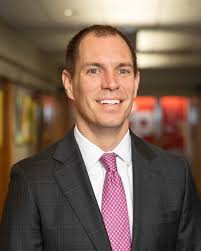
Wayzata Public Schools has chosen its new superintendent, Dr. Robb Virgin, who will serve in this role starting in the summer after our current superintendent, Dr. Chace Anderson retires. This decision was made after an extensive hiring process in which candidates were narrowed down from a large pool to just three finalists. The ultimate pick was decided upon by the school board at the March 6th meeting. Dr. Virgin graciously answered some questions for us so that we can learn more about both his professional life and who he is outside of his job.
Question: Could you share more about your family or things you like to do in your free time?
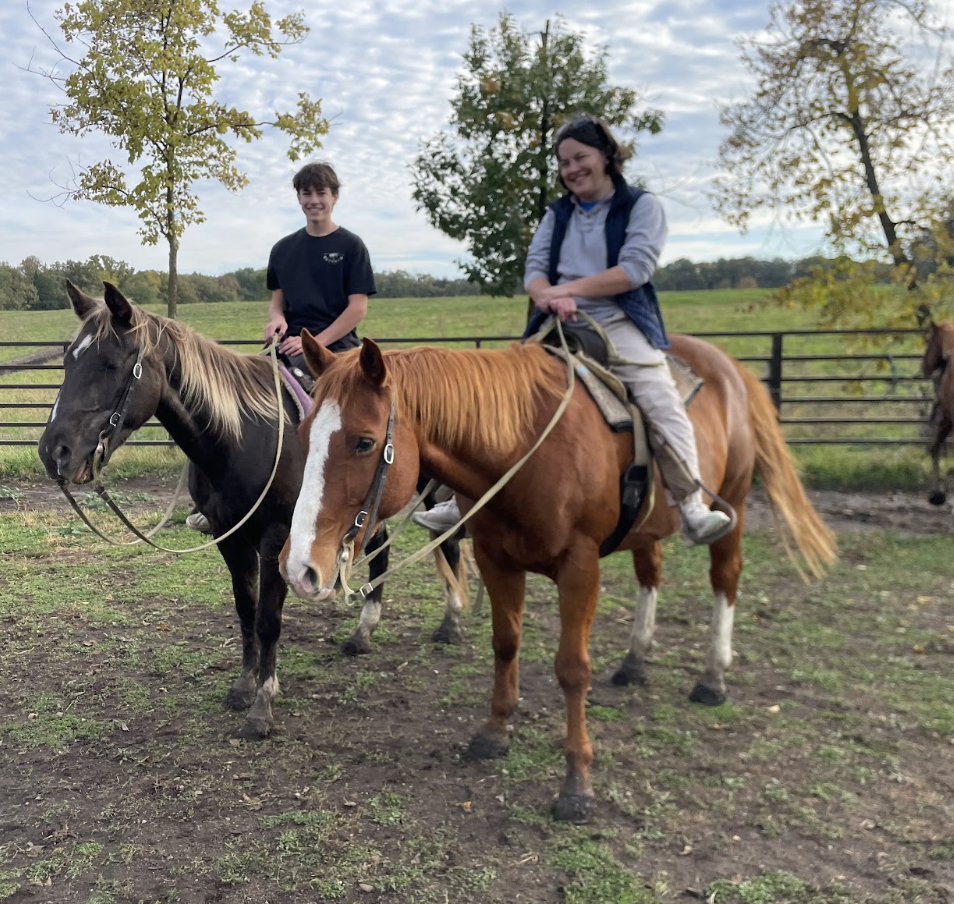
Dr. Virgin: Yes, of course! Being husband to Thera and dad to Teddy (8), Rorie (6), and Maisy (1) is my most important and favorite job. Our kids are busy with school and different activities, and I enjoy coaching their youth sports teams when I can. We spend a lot of time outside together walking, biking, and visiting parks. We’re all incredibly excited about this transition, and WHS students will probably get used to seeing my kids with me at events—please come say hello! (Let me know if you’d like any pictures.)
Question: What is your favorite class you’ve ever taken throughout your education?
Dr. Virgin: I had a Spanish teacher, Sr. Pehl, in tenth grade who was incredibly passionate about his class and believed we could all learn more Spanish than we probably thought we could. Our assignments were often active and authentic, which also helped us get to know our classmates better. After I became a teacher myself, I had the chance to reconnect with him and thank him for believing in me. I’m really grateful for that.
Question: What is an opportunity for growth within Wayzata that you are excited to expand on?
Dr. Virgin: With the upcoming referendum, I’m excited about the possibilities for engaging learning experiences for students. I’ve already heard about and seen so much inspiring learning happening in Wayzata schools. With the right facilities in place for the future, I’m very optimistic about what’s ahead for our students and the ways these spaces can also serve the broader community.
Question: It was mentioned at the school board meeting that you try to start your day in a school. Tell us more about what that means for you, the reason behind it, and the impact it makes on you and students.
Dr. Virgin: Being present with students and staff is my favorite part of every job I’ve had. It brings me energy to see students learning and engaged in activities they enjoy. I’ve found that the morning is often the part of my day I have the most control over, so I try to prioritize the most important part of our work during that time. Starting my day in a school is a direct reminder of why we do what we do—to serve students. It also helps me do my job better because I’m able to hear directly from students and staff about how things are going.
Question: What is your favorite memory from when you were in high school?
Dr. Virgin: The people are what I remember most. I had amazing teachers, counselors, coaches, and friends—some of whom I’m still in contact with today. My favorite memory was playing soccer my senior year. Our team had been together for a long time and did a great job of taking care of each other. What stands out most now isn’t just the games, but the laughs we shared and the time we spent preparing together.
Question: You wrote your dissertation on perceived student voice. How have you made an effort to increase student voice in your previous roles and why is it important to amplify student opinion?
Dr. Virgin: One of the most powerful things we can do as educators is to ensure students know that their ideas and opinions matter. When students feel heard, it strengthens their sense of belonging in school. Student voice also helps us understand what is and isn’t working, because students experience our schools every day in ways that are sometimes hard for adults to see.
In my previous roles, I’ve worked with students through surveys, focus groups, advisory teams, and leadership opportunities so their perspectives can help shape decisions. In almost every major initiative, I make sure the student perspective is included. My favorite and most effective strategy, though, is simply being present—talking with students in the halls, at lunch, and at events.
Question: Do you have any ideas or outlooks on how to deal with the rise in AI usage as it continues to become more prevalent and important in our society and in schools?
Dr. Virgin: I think it’s really important that we have these conversations together as a community so we can benefit from each other’s perspectives. As we do that, it’s important to keep our purpose as a school system front and center so that any plans we develop ultimately support student learning and wellbeing. Technologies and tools will continue to evolve, but our responsibility remains the same—to help students learn, grow, and be prepared for the future.