







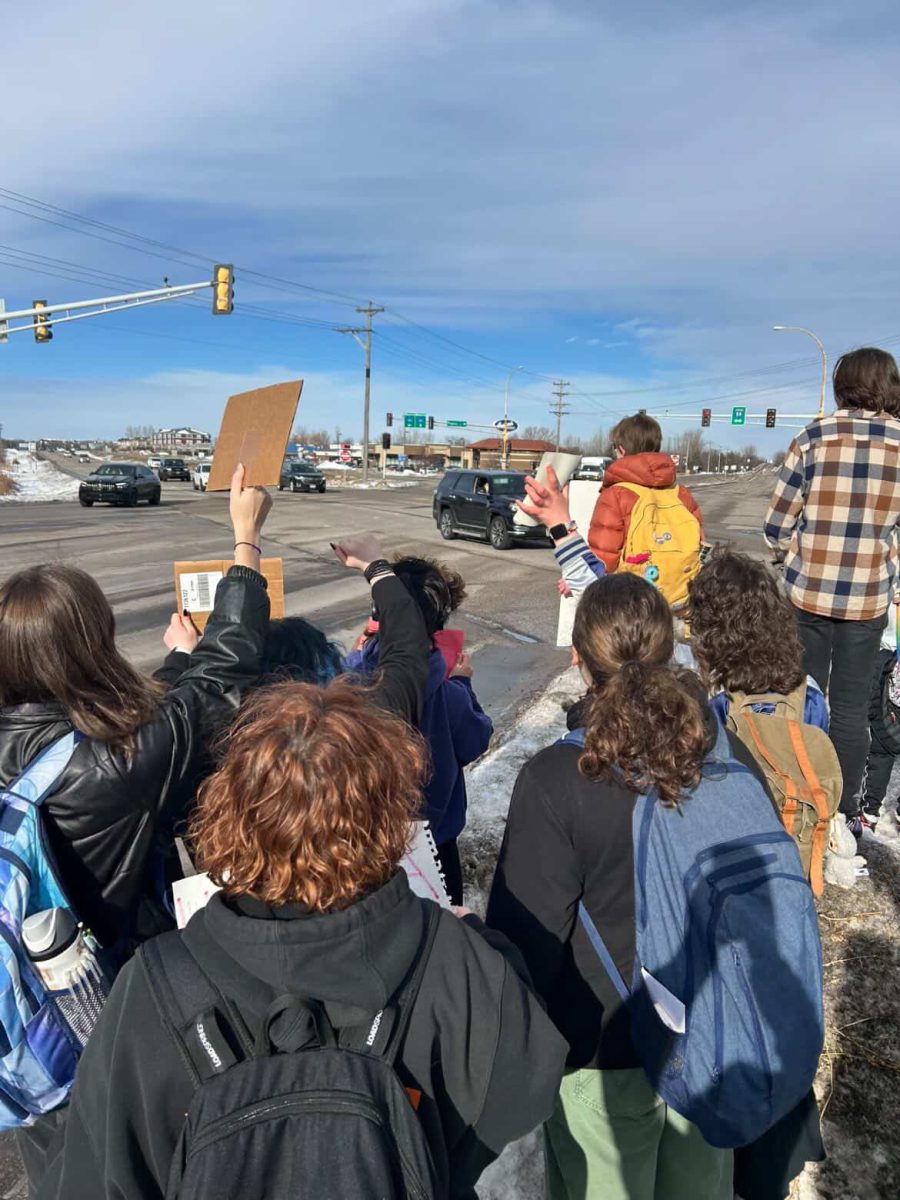
On December 1st, 2025, Operation Metro Surge began in the Twin Cities. By the end of that month, the presence of ICE and Border Control agents was in the foreground of news reports, social media, and the lives of people here in the School District 284.
Throughout January and into mid-February, these agents detained thousands of Minnesotans and an estimated 70,000 people total across the US. Here, many students carried around identification such as US passports for fear of being detained or just stayed at home with their families.
When asked about what students expressed about the presence of ICE in Plymouth, WHS teacher Mr. Clark said, “I have heard from some students that were afraid for whatever reason (themselves, family, just general anxiety), and I think it’s hard to show up every day and do your best when you are in a constant state of fear and anxiety.”
A similar sentiment was felt by APUSH teacher Ms. Campbell, who stated, “I do not think I can speak to what my students felt during this time. Every person feels these kinds of events differently and even if on the surface students seemed okay, I know that means very little.” She continued to explain that as a teacher, she always hopes her students feel that school is a welcoming place where they can feel safe. “Because of this, I did feel on edge and found myself more anxious than usual during the ICE occupation,” she said.
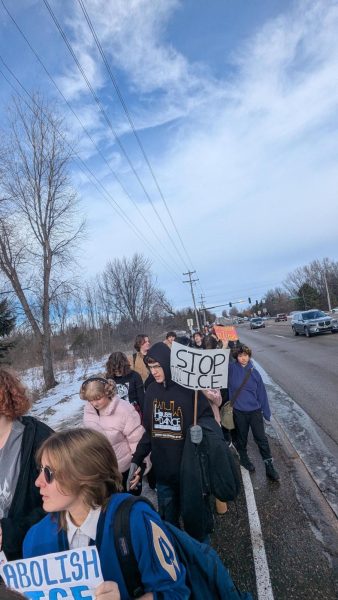
From classroom to classroom, the amount of discussion about the occupation varied greatly. In some classes, students rarely spoke of it. Ms. Campbell explained, “…on the surface level there were not many conversations had or comments made. For example, the day of the walk out, I did not have a single student who participated.” She also emphasized that Wayzata High School has a large student body that was affected in many different ways, leading there to be various opinions. She noted, “…It is good to get a wide variety of perspectives on this, because my students not saying much still gives insight into the culture of Wayzata High School.”
Mr. Clark shared a similar experience, saying, “[the ICE occupation is] a hard subject to talk about because I don’t think that students feel like they have all of the answers or that they know the full picture, and that often leads to less conversation.”
Other classes would discuss it. Mx. Lhotka expressed that “students generally were respectful about the situation and understanding. Many [of the] times students made comments about it, [it was] not out of a place of bullying, but out of not understanding.” Indeed, the scale of what was happening in addition to how fast the information was changing did make it difficult to truly understand what was happening here, even as it was occurring all around.
“Some of our students have been directly impacted, having family members who have been taken into custody and removed from [Minnesota]. Overall, it had been a topic of conversation between students during the entirety of Operation Metro Surge daily,” they also noted, saying, “Tensions were very high.” They shared that the number of thoughtful conversations were at the same time equalled by ones that needed some intervention to maintain the level of respect expected by students.
On a similar line of thinking, Mr. Clark shared that for him, “…it’s more about trying to be understanding when it comes to what students are going through. I would never ask about a student’s family situation, but I think it’s always best to operate based on the assumption that I don’t always know what someone is going through and that students might have needed more grace and support than usual.”
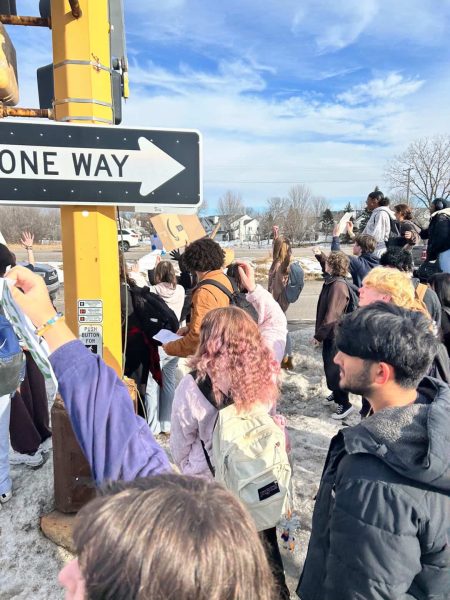
The ICE occupation of Minnesota as part of Operation Metro Surge has mostly dissipated now by comparison to its levels at the start of 2026, but many students remain affected. Due to the inability to safely get to and from work for two months, some families struggled to make rent payments or get groceries among other necessary tasks. These financial effects might be temporary, but the social effects and memories will stay with these families into the future.
As Ms. Campbell noted, “This generation of students has had to deal with a lot of things that make school feel unsafe and these factors are almost always things that I cannot directly control, which can be hard to reconcile with,” something expressed by many students and staff alike.