










Implemented almost three years ago, the Portrait of a Wayzata Graduate has been a compass for guiding Wayzata High School’s core values and skills.
Wayzata made the decision to redefine the measure of a student’s potential from the columns of a transcript to seven core traits of a successful young adult. While academic excellence remains a proud accomplishment of the school, the new direction signals a switch to a more inclusive approach to success.
Its creation was an acknowledgement that the traditional factory model of education, designed for the Industrial Age, no longer serves the fast-moving age we are now in.
As Wayzata High School Principal Scott Gengler and district leaders recognized, the skills that lead to a high-paying job today: adaptability, critical thinking, collaboration, and empathy are often skills that standardized tests fail to measure. The Portrait was born from the collective will to more thoroughly define, teach, and assess these attributes.
The Portrait of a Wayzata Graduate is a result of a collaborative process involving students, educators, parents, community members, and business leaders, all working to prioritize values important to success in the school, but also in any post-secondary path.
Teachers share the same sentiment, welcoming the new approach. Dawn Johnson, a teacher here at Wayzata; passionate about upholding the ideals of the Portrait says, “In our partnerships with community members and local businesses, we are told the Portrait of a Wayzata Graduate traits are essential and transferable skills that all employers, colleges, and organizations are seeking when considering applicants.”
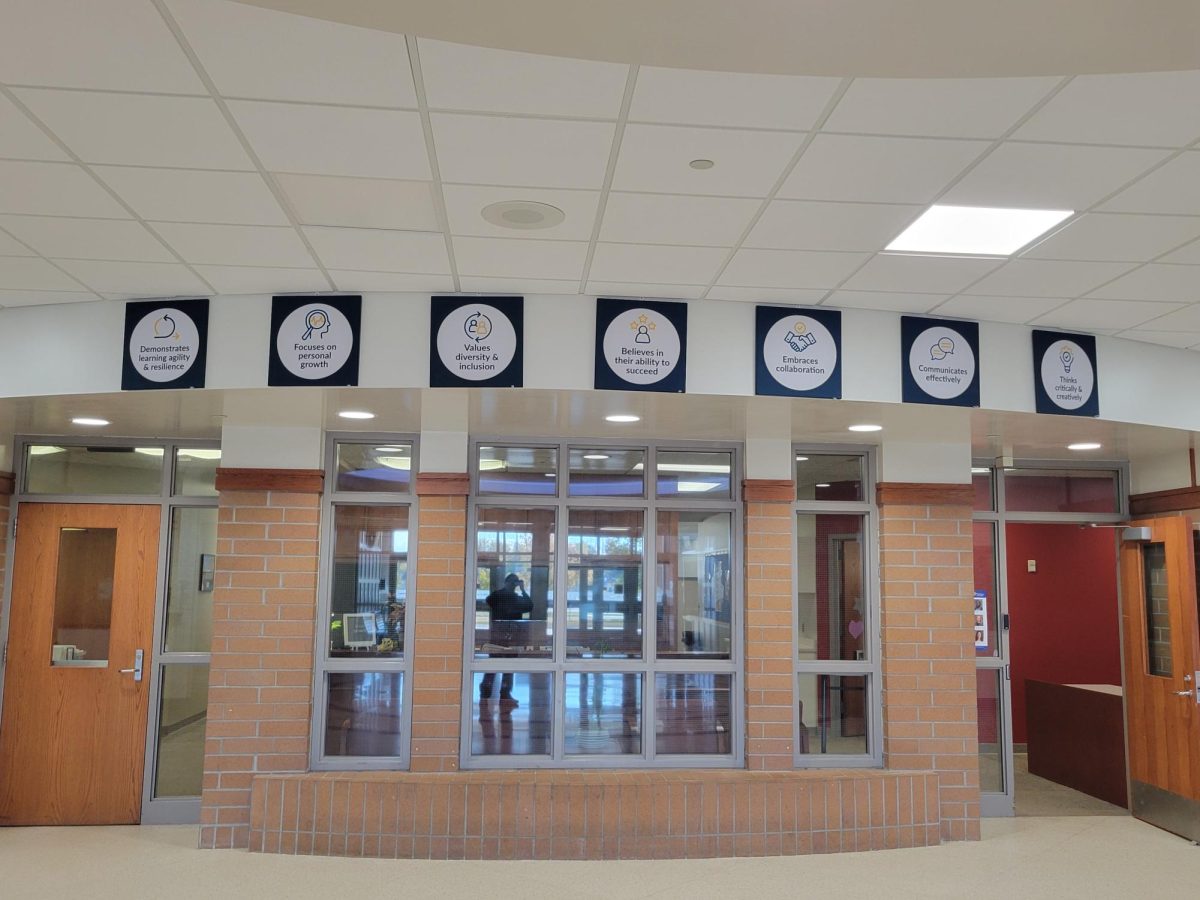
The final framework identifies seven core attributes that Wayzata commits to instilling in every student. Rather than tacked on, these ideas are now infused in the Wayzata High School experience.
Johnson continues by saying, “Students should identify the traits they seek to develop and set goals for engaging in healthy risks that challenge growth and reflective practice. Lean in when teachers discuss the traits and incorporate them into a lesson or classroom practice. The traits challenge all of us to develop our skills to be our best for ourselves and others.”
One of the most important aspects of the Portrait is its focus on the inner values of the learner. It asks students to grow their belief in their ability to succeed, moving beyond simply getting the right answer to developing genuine confidence in themselves.
The goal is to foster a growth mindset, redefining challenges as not roadblocks but as opportunities to learn. When a student struggles with an advanced math concept or faces a setback in a competitive debate, the teacher can now anchor the conversation to this specific trait.
The discussion shifts from “Why did you fail?” to “What strategies did you use? What worked? What didn’t? How can we do better next time?” This simple switch teaches students that failure is a learning experience, not a defining moment.
Another skill highlighted by the Portrait, diversity and inclusion, is about actively recognizing the strength that comes from varied perspectives and cultural backgrounds. In a collaborative project, students are guided to not just assign tasks, but to leverage the unique backgrounds and communication styles of their team members. This skill prepares graduates to lead and contribute in diverse workplaces where cross-cultural interactions are likely to be common.
A sophomore here at Wayzata spoke about how the promotion of diversity and inclusion as a result of the Portrait affected him: “It creates a diverse and welcoming environment and breaks down stereotypes and develops a greater understanding of cultures and ideas…” He explained, “though it’s always great to be with friends in groups, the placement of groups allows for the making of new connections and the introduction of new ideas in the conversation.”
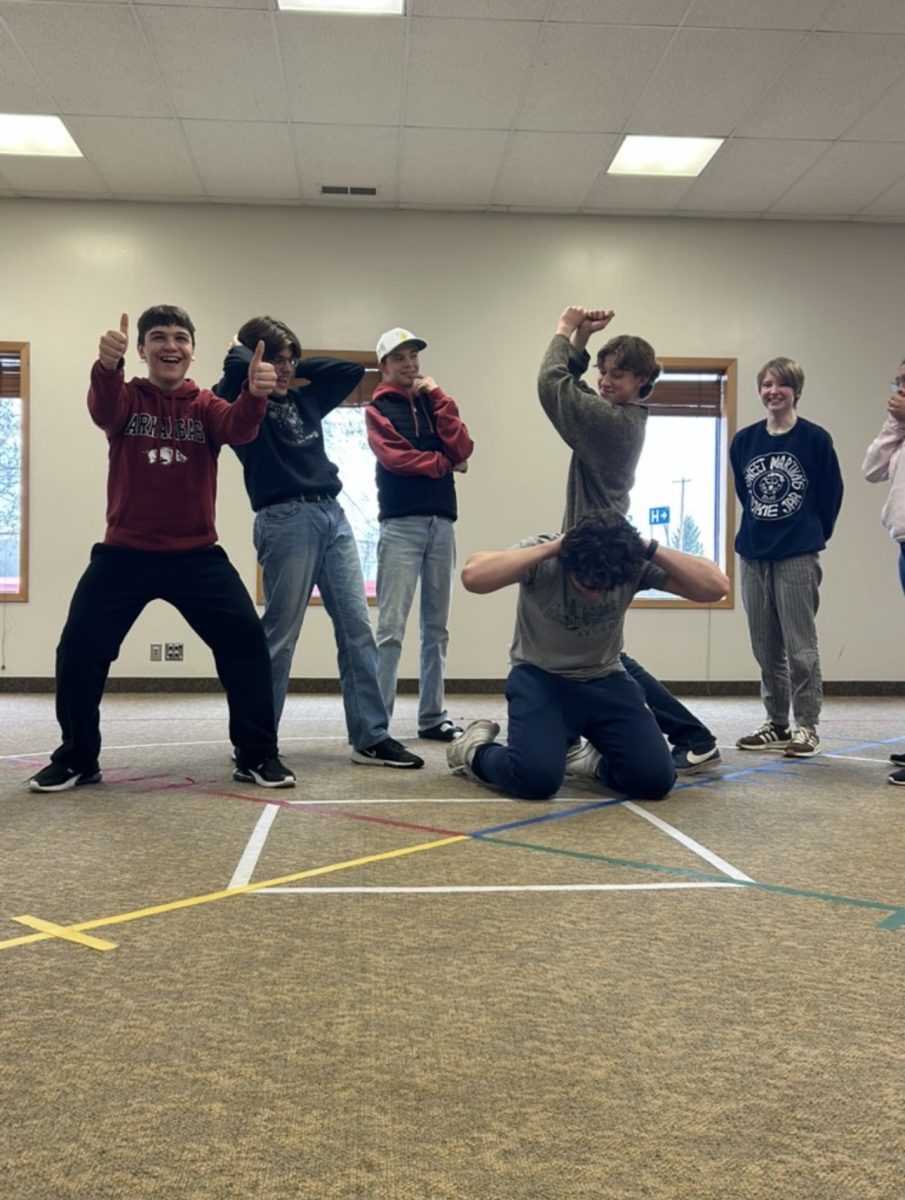
The Portrait also elevates skills that have long been considered soft but are now undeniably essential. For example, communication and collaboration. In the modern workplace, almost all significant problems are solved by teams, or with the input of others.
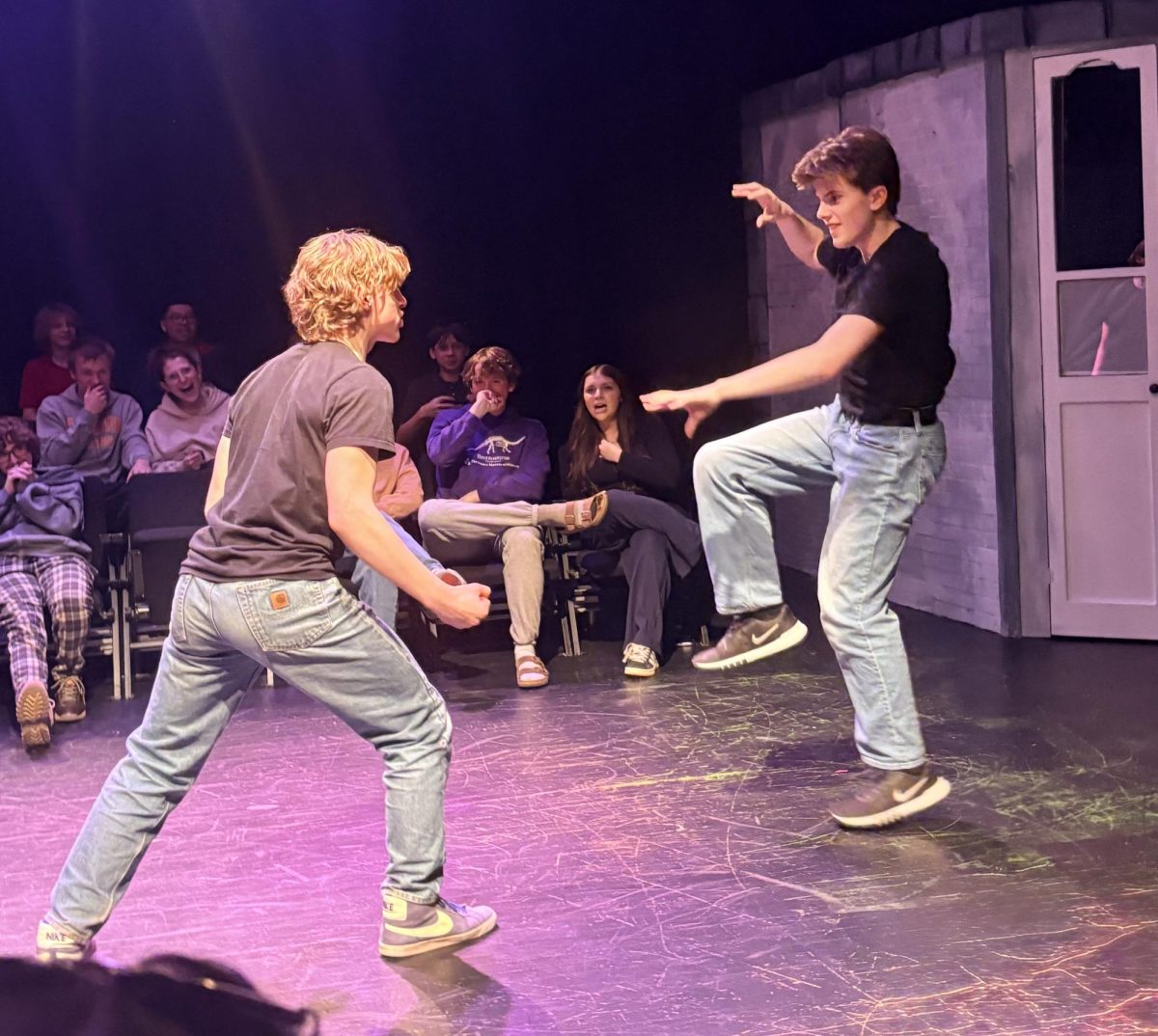
Wayzata teachers are now designing lessons that require students to master the concept of teamwork, active listening, conflict resolution, and the ability to teach. Given that many of the careers Wayzata graduates will enter don’t exist yet; agility, resilience, and the capacity to rapidly acquire new skills is incredibly important.
As a result of the Portrait’s influence, the high school experience becomes a space where students are intentionally exposed to change, forcing them to develop the skills to adapt. When a project briefly changes midway or a technological error occurs, students are taught to take a deep breath, analyze the new situation, and adjust their strategy.
To ensure the Portrait is more than just inspiring language, the school has developed clear “I Can” statements for each skill. This framework empowers teachers and students to integrate the skills into the existing curriculum, and it gives students the opportunity to create goals to measure their growth.
Many students see the difference too. For a Wayzata junior, the Portrait made him appreciate how Wayzata promotes growth, “The Portrait as a whole is a good framework for growth that encourages me to be creative, communicative, and respectful.”
The Portrait of a Wayzata Graduate ensures that Wayzata graduates leave not just with a diploma, but with a toolbelt of skills that will allow them to navigate uncertainty, lead change, and find success in a world that is constantly demanding that they be ready for unforeseen challenges.