


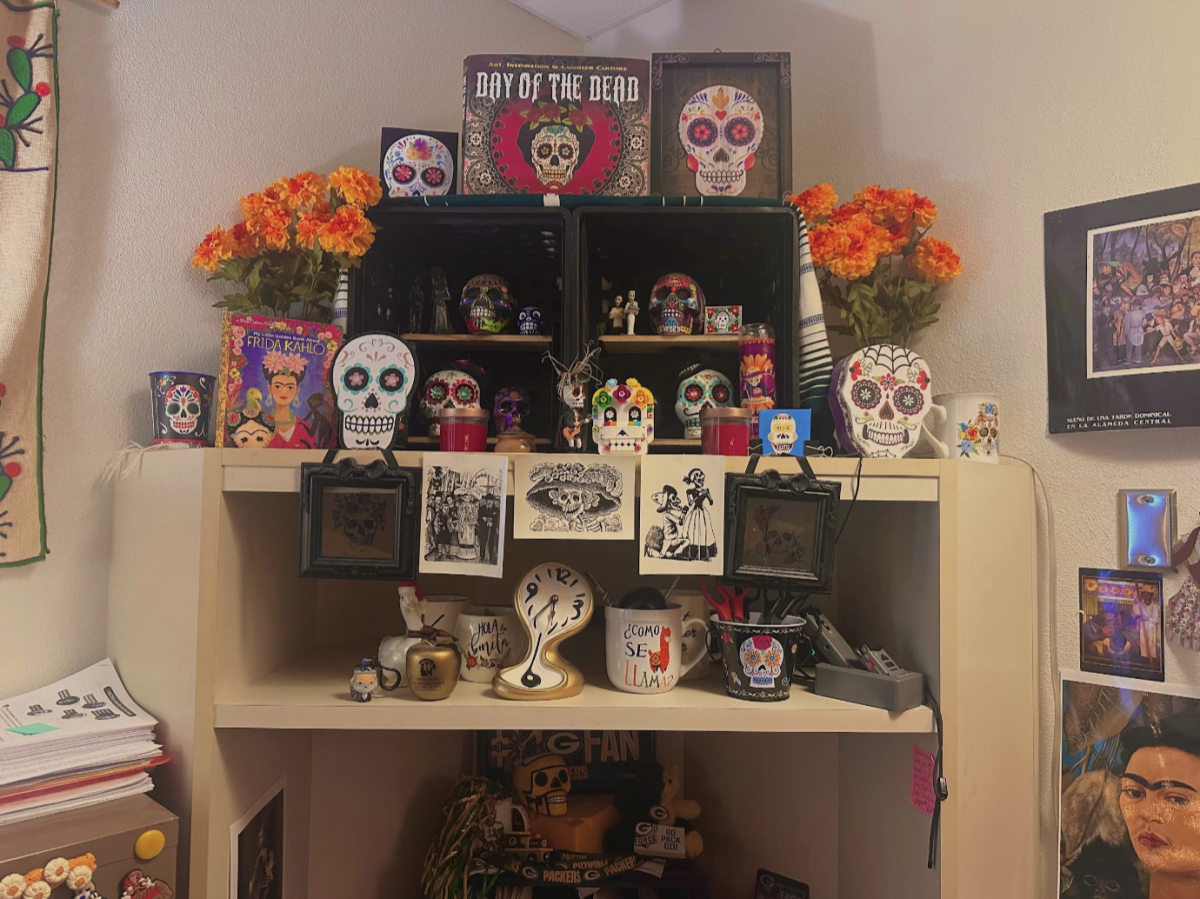
Across our school we have all kinds of students and communities with different backgrounds practicing and celebrating all kinds of holidays. There are so many amazing holidays around the world celebrated here in the U.S but even though some of these holidays are celebrated all over most people don’t know much past the basics if they don’t celebrate themselves. But holidays like Diwali, Día de los Muertos, and Hanukkah all have some similar themes when it comes to bringing family and friends together and giving time to honor things and people they love.
Even though these holidays are widely celebrated all over the world, the majority of students I talked to who didn’t personally celebrate one of these three celebrations could not tell me about the holidays. So what are Diwali, Día de los muertos and Hanukkah and what makes them so important?
Diwali
Diwali also known as Deepavali is a Hindu holiday celebrated all over India the word Deepavail means row of lights Hindus celebrate Diwali because of the return of prince Ram of Ayodhya he is considered to be the incarnation of Lord Vishnu an embodiment of righteousness. The residents of Ayodhya were overjoyed by the return and lit lamps in the King’s honor making the entire city look like a row of lights. This is why Diwali is called the festival of lights. Hindus use all sorts of candles, lights, big fireworks and clay lamps to represent light over darkness of good vs evil, a very spiritual celebration.
Anya, a Freshman at Wayzata, shared her experience with celebrating Diwali saying “ I love Diwali. I cook with my family and get dressed putting on makeup I don’t get to on normal days and sometimes get to stay home from school. We also pray because it’s a spiritual holiday where Ram came back from the forest after being exiled there for 14 years.”
Like most Hindu holidays Diwali is synchronized with the lunar calendar so the date can change but usually between October and November.
This time can vary based on location and tradition but most families light candles in their home and enjoy sweets and good food. Diwali is generally celebrated over five days to six all having different meanings.
Day one is about appreciation and connection to agriculture. The second day highlights the centrality of health and wealth making our lives comfortable and hitting the goals we set for ourselves. Day four is the main sacred time of the year, especially the night of Kaerikas New Moon Ammavasys. Day five the bright half of the lunar of Kartika kicks off the biggest harvest festival focusing on being mindful about necessities that come from our lives. The final major day of Diwali ends with gratitude to the bonds with our loved ones like siblings and family members. The final celebration reminds us that our family has a major role in our lives even as we age, the compassionate understanding for the human condition that comes with age. There is a tendency for people to reduce Diwali to a basic story about putting light over darkness but this holiday illuminates many different life lessons with true wisdom.
Dia de los Muertos
It is also known as day of the dead. It is a two day holiday for the reunited living and the dead. It gives the opportunity to honor family members and loved ones that have passed on. Usually during Dia de los muertos the family members build an ofrenda to honor the person who has passed on the ofrendas are usually decorated with bright marigold flowers photos of the departed and the
favorite foods and drinks to being the person who has passed to the alter as they believe these encourage
visits from the land of the dead hear their prayers smell the food and come join.
visits from the land of the dead hear their prayers smell the food and come join.
Ella, a junior at Wayzata said “ I celebrate Dia de los Muertos with my family in order to honor my grandma. We love setting up our ofrenda having photos and treating things she loved”. It starts November 1 at 12 am where the spirits of all the deceased children are believed to be reunited with the parents for 24 hours and the departed children will all be written on a sugar skull.
On November 2 the celebration shifts to honor the lives of the departed adults taking on more of an adult theme adding things like tequila and jars of atole loved ones tackle and reminisce about the love one and dance usually with village bands the next day is the grande finale with skeletons in a parade in the street. Cemetery visits are also common on the last day as families decorate the grave sites with gifts and sugar skulls with the departed names on them part of it to clean the grave stone and restore beauty.
Hanukkah
Hanukkah, which is Hebrew for dedication to the festival of lights, commemorates the victory of the Maccabees over the Syrian Greek army, and the miracle of rededicating the Holy Temple in Jerusalem and restoring its menorah or lamp.
Hanukkah, which is Hebrew for dedication to the festival of lights, commemorates the victory of the Maccabees over the Syrian Greek army, and the miracle of rededicating the Holy Temple in Jerusalem and restoring its menorah or lamp.
People celebrate Hanukkah by lighting the menorah each night light one additional candle to the number from the previous night, playing dreidel and eating foods unique to Hanukkah. They can also sing songs special to Hanukkah and sometimes gifts many people host and attend parties for Hanukkah this year it begins at sundown on Sunday, December 14, 2025 and last sundown on December 22, 2025.
Many foods for Hanukkah are deep fried in oil symbolizing the oil from the menorah used in the temple these include latkes (potato pancakes).
Although Diwali, Día de los Muertos, and Hanukkah come from different cultures and religions, they all share common themes of love and all honor the idea of continuing through dark times. By learning about the holidays celebrated by others in our school and community we can learn about them but also see the things that bond and unite us all.
Story continues below advertisement